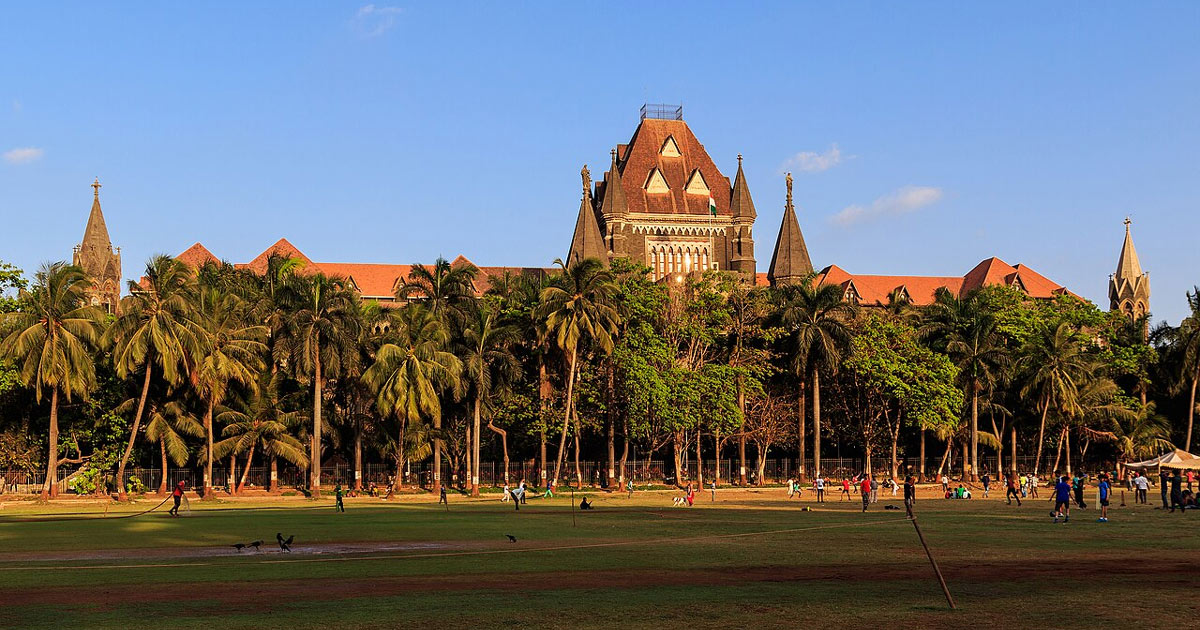
Photo: Wikimedia / Subhashish Panigrahi (CC)
In India, where the caste system remains deeply embedded within the framework of societal standards, those belonging to the lowest castes are classified as "scheduled castes" or "Dalits." Although historically marginalized, and often subjected to severe social discrimination, members of the lower castes receive constitutional protections and access to certain governmental benefits.
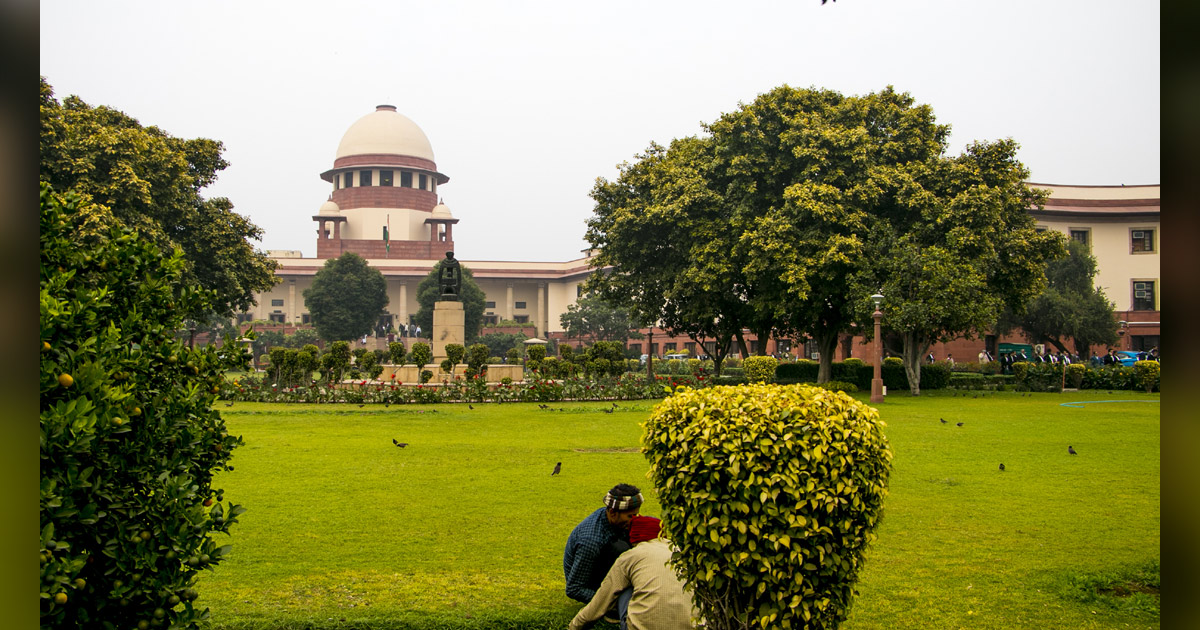
A Supreme Court ruling on March 24th reiterated earlier decisions, stating that the scheduled caste status – and the benefits attached to it – are not available to individuals who profess a religion other than Hinduism, Sikhism or Buddhism. As a result, conversion to any other faith leads to the immediate loss of these protections. The justification for this ruling continues to rest on the assertion that Christianity and Islam do not recognize caste distinctions. However, critics note that Buddhism and Sikhism likewise do not follow a system of castes.
The recent court ruling also clarified that any Dalits who had initially converted away from one of the mentioned approved religions – yet later decided to return – would be able to reclaim their scheduled caste status, provided they fulfill certain stipulated conditions. These conditions include: 1) conversion back to their originating religion, and 2) formal acceptance as reintegrated members of their caste communities.
While India is officially a secular state, Hindu nationalist organizations exert significant influence over governing policies in many areas of the country. Several states have instituted anti-conversion laws that punish "unlawful" religious conversions through which coercion or pressure are allegedly involved. Most recently, India's second-largest state, Maharashtra, passed such regulations in March of this year.
Against this broader backdrop, the ruling of India's Supreme Court has raised concerns among religious freedom advocates. By permitting the restoration of social and financial benefits only when individuals convert to select religions, the decision appears to create incentives for reconversions away from Christianity or Islam. Critics also argue that the ruling risks undermining religious impartiality – and, ironically, may even be considered an indirect endorsement for such coerced conversions. To review previously published reports concerning the situation in India, visit our country profile.
- Prayerfully uphold India's human rights advocates, asking God to grant them wisdom and guidance as they legally and politically navigate through the country's complex religious and social issues in their endeavours to promote fairness and impartiality.
- Remember our Christian brothers and sisters in this South Asian country who are facing accusations of forced conversion, asking the Lord to provide them with protection, courage and clarity so they can respond wisely and in a manner that will ultimately bring honour to Him.
- Lift up the many Dalits who have been subjected to financial burdens and social exclusion for remaining faithful to Christ, praying that our Heavenly Father will providentially provide for their daily spiritual and practical needs.
 Population